Complete Guide to Proper Dumpster Loading
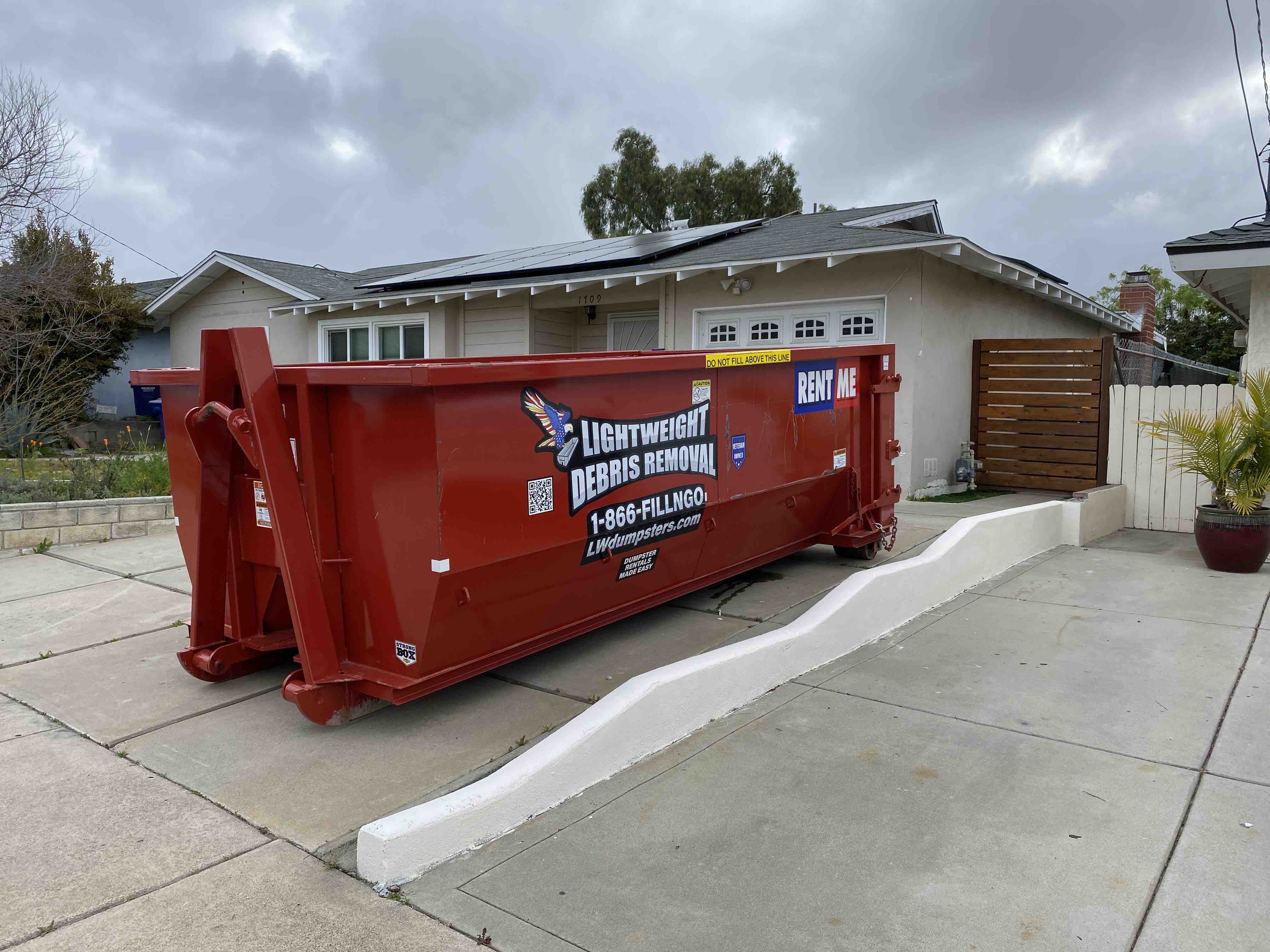
If you're managing a construction, renovation, or decluttering job, you rent a small dumpster Vista CA might think dumpster loading is an easy step. In reality, the placement of materials plays a key role in space use, job safety, and overall efficiency. Most people don’t realize how much strategy goes into correct dumpster loading, which can cause space loss, safety hazards, and unnecessary project delays.
At Lightweight Debris Removal, we highlight that the way you load a dumpster matters as much as picking the right size. Taking an organized approach maximizes container use while ensuring a secure and efficient workspace. Our mission is to guide clients in getting maximum value from their dumpster rental through understanding correct loading methods that minimize clutter, avoid damage, and speed up cleanup.
Planning Before You Start Loading
Before filling the dumpster, taking time to organize is essential. Evaluate the debris you plan to throw away and separate recyclables or items needing careful handling. Pre-sorting creates efficiency and minimizes the hassle of re-sorting mid-process. Separating risky materials improves safety and prevents potential accidents.
Planning how items will be loaded is another critical step. Lay down the heaviest items first to create stability. Next, stack smaller items above to utilize all available room. A well-thought-out plan helps avoid imbalance and instability once hauling begins. Strategic organization leads to safer, faster, and more effective loading results.
Using Space Efficiently
Proper space utilization can make a major difference in how much waste fits. Large or bulky debris should be dismantled to conserve room. Crushing or flattening materials helps create more usable space. This lets you load more effectively and maintain even weight distribution.
Layering materials is another useful trick for maximizing capacity. Lay heavy, flat items first to form a strong base. Continue with smaller, lighter waste to fill the cracks and corners. Avoid stacking debris past the dumpster’s top edge to maintain safety. Proper layering not only optimizes space but also enhances organization and safety.
Safety Best Practices for Dumpster Loading
Safety should be at the forefront during every loading task. Protect yourself with gloves, proper footwear, and durable clothing to avoid harm. Make sure your workspace is clear of debris or uneven ground before lifting. Staying alert around the dumpster keeps the process safe and organized.
Refrain from throwing objects into the dumpster carelessly, as it can cause unpredictable movement or potential damage. Handle items with care and arrange them thoughtfully. If something is heavy or large, ask for assistance rather than risk injury. By practicing caution, you maintain both productivity and protection on-site.
Efficiently Sorting and Arranging Materials
Sorting materials before and during dumpster loading is one of the best ways to maintain order. Separate different materials like wood, metal, and household refuse for easier management. This method improves the workflow and eases both the loading and dumping process. It also helps identify recyclable items, cutting down waste and supporting eco-friendly practices.
A tidy system helps you avoid reshuffling materials after they’re loaded. Place lightweight materials such as cardboard or fabric on top, while heavy objects go below. This keeps lighter waste from being blown away and maintains load stability. Consistent organization results in a faster, safer, and more productive cleanup process overall.
Protecting Your Property During Dumpster Use
While dumpsters are sturdy, the surfaces they rest on can be fragile. Placing wooden planks or similar barriers underneath distributes weight and prevents surface damage. Such a simple step goes far in preserving the condition of your working area.
Placement also plays a crucial role in preventing property damage. Select a flat, accessible space that allows for smooth loading and avoids blocking driveways or walkways. Do not place it near fragile features like fences or shrubs to prevent accidental harm. Proper planning and setup promote a damage-free and stress-free project environment.
Maximizing Efficiency for Large Projects
Big projects tend to generate constant debris that needs proper management. Creating a staging area where waste is sorted before reaching the dumpster can streamline loading. This keeps the dumpster evenly filled from front to back and minimizes later rearranging.
Encouraging teamwork and good communication boosts workflow efficiency. Give each worker defined roles like lifting, sorting, or compressing waste. A coordinated team ensures a quicker and more streamlined workflow. Proper organization ensures large-scale tasks are finished smoothly and on time.
Understanding Restricted Dumpster Items
Not all waste materials belong in a standard dumpster, and knowing what’s restricted is vital. Hazardous chemicals, paints, and specific electronics must be disposed of through proper channels. Dumping restricted materials risks pollution and additional disposal problems. Check local guidelines before loading to stay compliant and safe.
Never load the container above its designated fill line or weight limit. Overweight dumpsters can be unsafe and cause additional service fees. By following proper load limits, you support responsible waste management. Being mindful of what and how much you load ensures smooth pickup and transport.
Partnering with a Reliable Dumpster Rental Provider
Having a reliable dumpster rental company by your side streamlines the job significantly. Lightweight Debris Removal offers expert dumpster rental services designed for both homeowners and contractors. We ensure on-time delivery, responsive assistance, and easy pickup for every customer.
Choosing a service dedicated to client satisfaction ensures smoother operations. Attention to detail, communication, and timeliness create successful outcomes. Lightweight Debris Removal is devoted to helping clients achieve organized, secure, and efficient results through expert guidance and responsible use.
Creating an Organized and Productive Worksite
Efficient dumpster loading directly impacts overall project productivity. A tidy site helps teams focus on tasks without unnecessary clutter or confusion. Using effective organization turns cleanup into a natural step in the process.
Lightweight Debris Removal inspires users to view dumpster loading as an opportunity for improvement. This approach enhances safety, promotes productivity, and preserves property. By planning ahead and working smartly, you can make waste removal a seamless part of every project.